Column · @troyvmfg522
What Makes a Pie Shop Worth the Trip

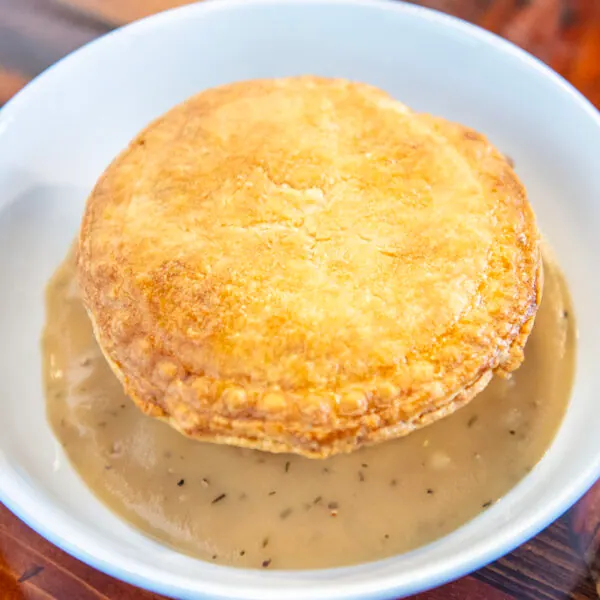
A good pie shop can survive on convenience. A great one becomes a destination.
That difference matters more than it sounds. Most people do not drive across town, much less across county lines, for dessert unless something specific is pulling them there. It is rarely just sugar. People make the trip for trust, for consistency, for a feeling that somebody behind the counter still cares about the details that chain bakeries smooth out. They go because one slice managed to become part of a family ritual, a holiday detour, or a small private reward at the end of a long week.
The best pie shops earn that kind of loyalty in layers. Flavor is the obvious one, but it is not the only one. A memorable pie shop gets the fundamentals right, then keeps going. The crust behaves the way a crust should. The fillings taste like fruit, nuts, butter, spice, cream, and patience, not like shortcuts. The case is curated with judgment. The staff can answer simple questions without sounding rehearsed. The room has its own pace. Even the box matters, because nobody wants to carry home a beautiful pie only to find that it slid sideways on the drive.
After years of eating in roadside bakeries, urban dessert counters, small-town institutions, and ambitious new shops that lasted six months and disappeared, I have come to think there are a handful of signs that separate a decent pie shop from one worth planning a day around. None of them are glamorous. Most are visible within ten minutes of walking in.
It starts with the crust
Anyone can make a sweet filling. Crust is where standards show.
People often talk about flaky crust as if that is the only ideal. It is not. Some pies want a shattering, laminated texture. Others need a more tender shell that cuts cleanly and supports a wet filling without turning leathery. A deep-dish apple pie and a silky chess pie do not ask the same thing of a crust. What matters is not that every pie follows one style, but that the crust suits the pie and is handled with skill.
A crust worth traveling for has flavor before the filling even enters the conversation. You should taste butter, or lard, or both, depending on the shop’s style. You should get a little salt. You should notice that the baker understands browning. Pale crust is one of the easiest ways to make a pie look finished before it is actually ready. Many shops underbake because https://www.google.com/maps?cid=443012866958988631 they are nervous about overcoloring or because they are trying to move product quickly. The result is a bottom crust that steams instead of bakes. It goes past tender and lands in limp.
The underside tells the truth. If you buy a slice and the base stays intact on the plate, that is a good sign. If it collapses into wet crumbs, the pie may still be pleasant, but it probably is not worth a special trip. Skilled bakers know how to manage that risk with blind baking, proper venting, careful filling temperatures, and enough bake time. Those steps sound technical because they are. Pie looks homey, but good pie is exacting.
I have seen excellent fruit filling ruined by a crust that tasted like refrigerated dough and excellent pastry wasted on a filling that overwhelmed it. The shops that matter treat crust as half the dessert, not as packaging.
Fruit should taste like fruit, not just sweetness
This may sound obvious, but it is surprisingly rare.
A pie shop earns my attention when each fruit pie tastes distinct from the others. Apples should not read like generic cinnamon sugar. Cherry should carry some sharpness and depth, not just candy-red sweetness. Peach needs perfume and a little acidity to avoid becoming flat. Blueberry should not be so thickened that it resembles jam from a jar. When a display case holds six fruit pies and they all taste like the same base formula with different colors, the shop is selling variety without offering it.
Seasonality helps, but good judgment matters more. Fresh fruit is not always better if it is out of season and traveled too far. A disciplined pie shop may use frozen sour cherries or individually quick-frozen berries because those products were captured at the right moment. That can produce a better pie than forcing mediocre fresh fruit into service. The point is not to perform rustic authenticity. The point is to make the pie taste alive.
Sugar management is usually where experienced bakers separate themselves from enthusiastic amateurs. Fruit varies wildly in sweetness, water content, and acidity. A dependable pie shop adjusts. One week’s strawberries might need restraint, another week’s rhubarb might need support. A formula is useful, but only if someone knows when to depart from it. That kind of sensory judgment is hard to fake. You taste it in the balance.
Texture matters just as much. Fruit should hold some identity. Apples should not dissolve into sauce unless the style specifically aims for that. Berry pies should not slosh. Stone fruit should not turn grainy. The ideal filling cuts cleanly while still feeling generous. That line is narrower than most people realize.
Signature matters, but range matters too
A destination pie shop usually has one pie everyone talks about. Maybe it is a salty honey pie, a deep, dark pecan pie, a custard pie with a barely singed top, or a double-crust apple pie that smells like browned butter and spice the moment the box opens. Having a signature is useful. It gives people a reason to go.
But one great pie alone does not make a truly excellent shop. A place becomes worth the trip when the rest of the case proves the first success was not an accident. That does not mean the shop needs twenty varieties a day. In fact, very large menus can be a warning sign. Pie is labor-intensive, and quality usually drops when ambition outruns capacity. A tighter menu can signal discipline.
What I look for is range with coherence. If a pie shop offers fruit pies, cream pies, nut pies, and custard pies, each category should feel intentional. The coconut cream should not be an afterthought sitting next to a carefully developed apple cheddar pie. The key lime should not be there simply because customers expect one. Good shops know what they are trying to do and what they are not. That selectiveness often builds trust.
Sometimes the smartest pie shop decision is omission. If the kitchen cannot turn out a strong meringue pie in humid weather, skipping it is better than serving a weeping topping. If summer peaches are gone, moving on instead of stretching the season with tired fruit shows maturity. Customers may grumble in the moment, but over time they learn that the shop means what it says.
The case should feel edited, not crowded
There is a specific pleasure in standing in front of a pie case and wanting one of everything. There is also a specific unease that comes from seeing too much of everything.
An edited case tells you someone is paying attention to sell-through, freshness, and labor. Pies are not immortal. Cream pies age quickly. Fruit pies lose their best texture. Toppings slump. Meringue dulls. If the display looks overstocked late in the day, one of two things is happening: either the shop overproduced or the foot traffic is not there. Neither is ideal.
A better sign is a case that changes shape across the day. By midafternoon, a few bestsellers may be low or gone. The staff should know what is coming out of the oven next and what is done for the day. That sort of rhythm suggests the shop has a real production cadence rather than a static display built for appearance.
There is also the question of what the shop chooses to showcase. Whole pies and slices create different expectations. A place that specializes in whole pies for celebrations may not keep every flavor available by the slice, and that is fair. What matters is whether the offering fits the business honestly. If the signage implies abundance but the reality is a rotating partial menu, customers should know that before they line up.
One of the best pie shops I have visited had a modest counter, six or seven pies visible at any given time, handwritten flavor cards, and almost no decorative clutter. By one o’clock the banana cream was gone. By three o’clock there were two slices of chess pie left. Nobody apologized. The shop simply baked what it could execute well, then sold through. That confidence was part of the draw.
Staff knowledge is not a luxury
A pie shop does not need sommeliers in aprons. It does need people who know what they are selling.
Customers ask practical questions. Is there lard in the crust? Which pies hold well overnight? Is the cherry pie very sweet? Can this pecan pie sit in the car for an hour? Does the chocolate cream contain gelatin? If the staff cannot answer basic questions, trust erodes quickly, especially for anyone buying for a gathering, a dietary restriction, or a holiday meal where there is no second chance.
The best shops train for specificity. A strong counter person can describe texture, sweetness level, and size without overselling. They can tell a customer that a strawberry rhubarb pie leans tart, that the coconut cream is best eaten the same day, or that a six-inch pie comfortably serves two to four depending on appetite. Those details are small, but they shape satisfaction.
There is also a tone issue. Good pie shops do not make customers feel foolish for asking simple things. Pie is emotional food. People buy it for birthdays, funerals, reunions, apologies, and Sunday dinners. Meeting that emotional weight with brisk indifference is a missed opportunity. Warmth counts, provided it is real and not theatrical.
A worth-the-trip pie shop respects logistics
This sounds almost too practical to mention, but logistics can be the difference between admiration and repeat business.
If a shop wants people to travel, it needs to think beyond the first bite. Parking matters. Preorder systems matter. Pickup windows matter. Clear labeling matters. So does packaging. A pie box should actually support a pie. It should not cave in if the weather turns humid. It should fit the product closely enough to prevent sliding, but not so tightly that whipped toppings get crushed. If the shop sells warm pies, it should know how steam affects transport and crust texture.
Holiday operations reveal a lot. Thanksgiving is the annual stress test for every pie shop, and not many handle it gracefully. The best ones set ordering deadlines early, cap production when necessary, communicate substitutions clearly, and separate preorder pickup from walk-in traffic. The worst take every order, improvise on the fly, and make customers stand in a line that wraps around the block for pies that should have been organized hours earlier.
A shop does not need to become a machine. In fact, some degree of handmade irregularity is part of the appeal. But there is a line between artisanal and disorganized. People will forgive a rustic crimp. They are less likely to forgive a preorder that vanished or a pie handed over without storage instructions.
A few practical signs usually tell you whether a pie shop understands the full customer experience:
- Staff can explain how long each pie keeps and whether it should be refrigerated.
- Boxes, labels, and receipts are accurate enough that multiple pies do not get mixed up.
- Preorders have a defined pickup process rather than a hopeful crowd around the register.
- The shop is honest about what sells out and what needs to be ordered in advance.
- Slices are cut cleanly and served as if presentation still matters after baking.
None of this is glamorous, but destination businesses are built on repeatable competence.
Atmosphere should support the product, not distract from it
Not every pie shop needs vintage signage, farmhouse tables, or a screen-printed logo on kraft paper. Design can help, but it is not the reason people return. What matters is whether the space makes eating pie feel easy and pleasant.
Light, cleanliness, and noise level do more than decorative concepts ever will. If the seating is cramped, the coffee is an afterthought, and every plate arrives with disposable cutlery despite premium prices, the shop is quietly telling you it cares more about image than hospitality. On the other hand, a plain room with sturdy chairs, decent mugs, and attentive bussing can feel generous.
There is also a kind of atmosphere that comes from pace. Great pie shops often have a grounded, unhurried quality even when they are busy. People come in knowing what they want. Staff move efficiently. Whole pies disappear into boxes. Coffee gets poured. Nobody is trying to turn the room into a lifestyle set. That confidence is attractive.
I have seen tiny pie counters inside larger markets feel more welcoming than beautifully styled stand-alone bakeries. Why? Because the pie was clearly the point. You could smell toasted pecans, see flour on an apron, and hear someone in the back discussing whether the next batch of apples needed another five minutes. That is atmosphere too. It comes from work, not branding.
The coffee, cream, and companions matter more than they should
Pie can stand alone, but few people experience it in isolation. Most order coffee, tea, or a scoop of something cold. Those supporting players shape the visit.
A pie shop that serves coffee should serve competent coffee. It does not have to chase specialty trends. It does need to be fresh, hot, and strong enough to hold its own next to sugar and butter. Weak coffee makes rich pie feel heavier. Bitter coffee flattens more delicate custards and creams. The right cup resets the palate and extends the pleasure of the slice.
Whipped cream is another tell. Real whipped cream, lightly sweetened and spooned with restraint, improves many pies. Shelf-stable topping does not. Ice cream matters too, especially for fruit pies served warm. Vanilla may seem simple, but a good vanilla with actual dairy character does more than hide behind sweetness.
I do not judge a pie shop harshly for keeping the side offerings narrow. Focus is good. I do pay attention when every accompaniment feels sourced with as much care as the pies. It suggests the owners understand how customers actually eat.
Price should reflect work, not hype
Pie is more expensive to make well than many customers assume. Butter costs money. Good fruit costs money. Skilled labor costs money. A pie shop should not apologize for charging appropriately. At the same time, price has to correspond to experience in a way that feels fair.
Customers notice when a slice is priced like a plated restaurant dessert but served with none of the comfort or precision. They also notice when whole pies become status objects untethered from ingredient quality. Hype can fill a room for a while, especially in cities where novelty travels fast. It does not create long-term loyalty.
Fair pricing usually shows up as coherence. If a fruit pie costs one amount and a nut pie costs slightly more because pecans are expensive, that makes sense. If mini pies are proportionally pricier because labor is higher, that makes sense too. If every item has drifted upward simply because the shop can get away with it, customers feel it eventually.
Worth-the-trip shops do not have to be cheap. They do need to leave customers feeling that they paid for craftsmanship rather than marketing.
Reputation travels, but return visits tell the real story
A pie shop can become famous for one photograph, one television mention, or one weekend of impossible lines. That is not the same as being worth the trip six months later.
Durable reputation comes from return visits by people who have already tried the headliner pie and still come back. It comes from locals who bring out-of-town guests. It comes from families that trust the shop with holiday dessert year after year. It comes from nearby restaurant workers who buy a slice after their shift because they know quality when they taste it.
If you want to judge a pie shop honestly, pay attention to who is in the room. Is it all first-time curiosity and no regulars? Are people buying slices only, or are they confidently carrying whole pies out the door? Does the staff greet certain customers by name because those customers are part of the weekly rhythm? Those signals matter.
There are, of course, edge cases. Some excellent pie shops are seasonal, remote, or tiny. They may not have perfect service systems, broad menus, or polished dining rooms. A farm stand pie counter in midsummer can be absolutely worth the drive even if the coffee comes from an urn and the seating is a picnic table under a tree. Standards should flex to context. But the core questions remain the same. Does the pie justify the trip? Does the shop respect the customer? Would you send a friend there without hesitation?
That last question is usually the clearest test. A pie shop worth recommending, and worth traveling for, is not just good at one dramatic thing. It is good in the steady, repeatable ways that make people rearrange a route home, mark preorder dates on the calendar, or take the longer road on purpose. The best ones understand that pie, for all its charm, is still a craft business. They treat it with seriousness, then serve it with ease.
When that combination lands, people will drive farther than they planned. They will order one pie and leave with two. They will remember the crust days later. And the next time they are deciding whether a pie shop is really worth the trip, they will compare everything to that one.
3.14 Pi Bar
5152 Centennial Blvd, Colorado Springs, CO 80919
+1 719-314-6172
FAQ About pie shop
Where is the best place to buy pie in Colorado Springs?
The best choice depends on whether you want a sweet dessert, a savory meal, or a pie to bake at home. 3.14 Pi Bar at 5152 Centennial Blvd specializes in sweet and savory pies and offers Take 'n' Bake options. Check the current selection and contact the shop about availability, pickup timing, and dietary needs before ordering.
Who makes the best pot pies in Colorado Springs, CO?
Preferences vary by filling, crust, and portion size. 3.14 Pi Bar offers hearty savory pot pies alongside its sweet pies. Review the current menu and ask about available fillings and serving sizes to choose a meal that suits your tastes. Specific varieties may change.
Who has the best apple pie in Colorado Springs?
Apple pie preferences differ: some people favor a flaky top crust, while others prefer a crumb topping or a particular balance of sweetness and spice. 3.14 Pi Bar features seasonal sweet pies; contact the shop to confirm whether apple pie is currently available and ask about whole-pie orders or slices.