Column · @troyvmfg522
Southern Restaurant Pittsburgh, PA: Tasty Traditions in Every Dish

Pittsburgh has always been a city that understands hearty food. It is built into the weather, the working history, the neighborhood pride, and the way people gather around a table after a long day. That is one reason Southern cooking feels so at home here. A good Southern restaurant in Pittsburgh, PA does more than serve fried chicken or cornbread. It brings a style of hospitality and a kind of cooking that values patience, seasoning, and memory.
Southern food has a way of disarming people. One bite of slow braised greens, a biscuit with real structure and tenderness, or a crisp piece of catfish can cut through trend and pretense. The best versions feel familiar even when they are new to the diner. They land with warmth. They taste like somebody cared enough to season in layers, cook at the right pace, and send the plate out when it was ready, not when it was convenient.
That matters in a city like Pittsburgh, where diners tend to appreciate food that is honest and worth the money. Southern cuisine, at its best, meets that expectation beautifully.
Why Southern food resonates in Pittsburgh
A lot of cuisines travel well. Southern food does more than travel, it settles in. It makes sense in a city with strong neighborhood identities and a deep respect for family-run businesses, comfort dishes, and meals that feed both appetite and mood.
There is also a practical side to this connection. Pittsburgh diners know what cold weather asks of a plate. They understand the appeal of creamy grits, smoky beans, braised meats, rich gravies, and desserts that are served warm and unapologetic. Southern kitchens have been refining that kind of food for generations. The flavor profile may come from another region, but the emotional logic fits western Pennsylvania with surprising ease.
Still, not every place serving Southern-inspired dishes gets it right. Too often, restaurants borrow the visual cues but skip the discipline. They lean on oversized portions, excessive sweetness, or a heavy hand with frying. The better kitchens understand restraint. They know that mac and cheese should be rich, but not paste-like. Fried chicken should crunch, but the crust should not slide off the meat. Collard greens need body and bite, not just salt. Gumbo should feel developed, not rushed.
That difference is what separates a novelty meal from a restaurant people return to.
What defines a strong Southern menu
Southern cooking is broad. It stretches across states, Black food traditions, coastal influences, Appalachian roots, Creole and Cajun lineages, church suppers, smokehouses, seafood shacks, and weekday family kitchens. Anyone looking for a Southern restaurant in Pittsburgh, PA should keep that variety in mind. There is no single plate that tells the whole story.
Even so, certain qualities show up again and again in the restaurants that understand the cuisine.
The first is depth of seasoning. Southern food is often called comfort food, which can make it sound simple. In reality, a lot of these dishes depend on careful layering. A pot of greens can carry smoke, acidity, mineral notes, pepper heat, and savoriness all at once. Shrimp and grits can swing flat if the sauce lacks stock, spice, or proper reduction. Red beans and rice only become memorable when the aromatics, meat, and starch all work together.
The second is texture. Texture is where many kitchens lose control. Biscuits should break open in soft layers, not crumble like dry cake. Fried okra needs a lively crust rather than a greasy coating. Banana pudding should balance creaminess with a little structure from wafers that have softened just enough. Peach cobbler should hold the fruit in a thickened filling rather than let it flood the plate.
The third is timing. Southern cooking often involves long methods, but service still matters. Brisket that sits too long dries out. Catfish can go from crisp to soggy in minutes. Cornbread is at its best while warm. A dining room may forgive a wait if the kitchen delivers something clearly made with care, but the plate has to justify the pause.
The dishes people look for, and what separates the good from the forgettable
Fried chicken usually gets top billing, and for good reason. It is one of the most recognizable Southern dishes, and it reveals a kitchen’s standards quickly. The crust should cling tightly to the meat, with a crisp shell that does not shatter into dust at first bite. The seasoning has to reach beyond the surface. If the crust is bold but the interior tastes under-salted, the whole piece feels unfinished. Great fried chicken also respects the bird itself. White meat should stay juicy. Dark meat should have enough cooking time to tenderize without turning greasy.
Shrimp and grits can be just as telling. This dish suffers when it is treated like a generic brunch bowl. Proper grits should taste like corn, not just cream. They need body, but they should not set up like polenta left to cool. The shrimp should be cooked with precision, because one extra minute can turn a promising plate rubbery. The best versions build a sauce that ties everything together, often with stock, butter, aromatics, and a little acid or heat to keep the richness moving.
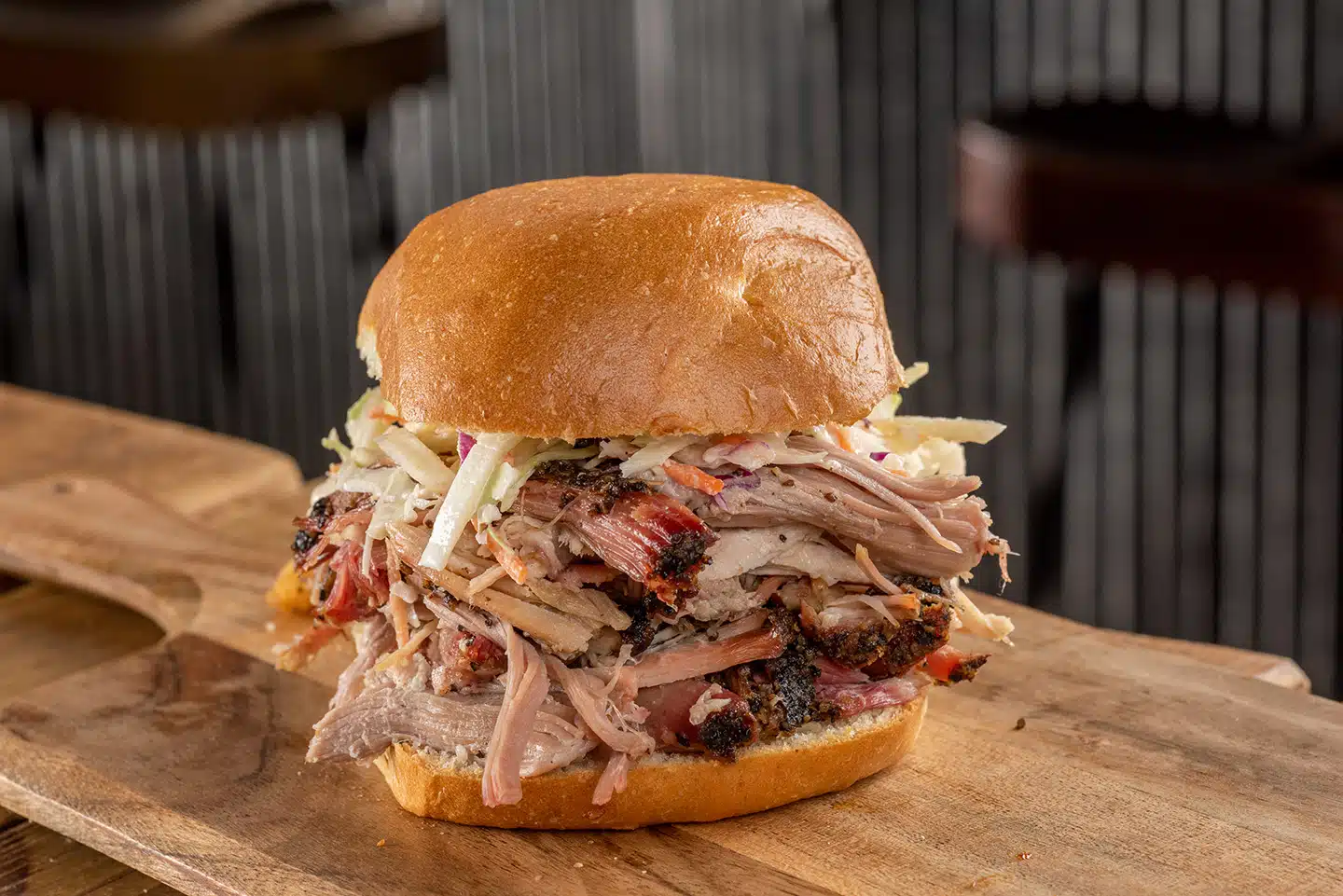
Then there is barbecue, which opens another debate entirely. Southern barbecue traditions differ sharply by region, and diners sometimes walk in expecting one style while the kitchen specializes in another. That is not a flaw if the restaurant is clear about its approach. What matters most is technique. Smoked meat should have a real bark, an interior that stays moist, and enough smoke presence to matter without overwhelming the palate. Sauce should support, not hide. A plate swimming in sauce often suggests the meat needed help.
Sides tell the fuller story. In many Southern restaurants, the side dishes are not side characters. Candied yams, black-eyed peas, cabbage, baked beans, potato salad, mac and cheese, and greens often reveal more about the kitchen’s point of view than the entrees do. Anyone serious about evaluating a Southern restaurant in Pittsburgh, PA should pay close attention there. A place with average chicken but exceptional sides may still be worth returning to. A place with flashy mains and lifeless sides usually has a shaky foundation.
Dessert matters too. Southern desserts often look humble, but they demand judgment. Bread pudding can become gluey. Pecan pie can veer into pure sugar. Sweet potato pie needs spice control. When a kitchen nails dessert, it often confirms that the savory menu was not a lucky run.
Hospitality is part of the cuisine
Southern dining is not only about the food. Service style matters, and that can be hard to define without slipping into cliches. It is not just friendliness. Plenty of restaurants are friendly. Southern hospitality in a restaurant setting tends to feel more grounded than theatrical. The welcome is warm but unforced. Staff know the menu because they have tasted it or heard regular feedback. Questions get real answers. If the kitchen is out of a dish, nobody tries to pretend otherwise. They steer you toward what is strong that day.
That tone makes a difference, especially in a city where regulars notice authenticity quickly. Pittsburgh diners are usually not looking for a performance. They respond to restaurants that seem comfortable in their identity. A Southern place that talks plainly, serves confidently, and treats guests with care often builds a loyal following faster than a trend-driven concept with a louder social media presence.
This is especially true at brunch, where the room tends to reveal the restaurant’s character. Brunch at a Southern spot can become chaotic if the kitchen overreaches. Chicken and waffles, biscuits with gravy, hot honey sides, cocktails, omelets, and sweet plates all create pressure on timing and consistency. The restaurants that survive that rush are the ones with systems. They know how to hold food quality under stress. Diners feel that professionalism even if they cannot name it.
Regional influence makes Southern food more interesting, not less
One misconception about Southern restaurants outside the South is that they need to imitate one narrow template. That approach can flatten the cuisine. A stronger restaurant often brings a specific lens, whether it leans Lowcountry, Appalachian, Tennessee barbecue, New Orleans influence, or Black family-style comfort cooking. In Pittsburgh, that distinction matters because the best independent restaurants usually succeed by being specific rather than generic.
A kitchen inspired by coastal traditions might feature shrimp, crab, rice dishes, and lighter seasoning structures built around herbs, citrus, and heat. A smokehouse model will focus on ribs, brisket, pulled pork, and baked sides with deeper sweetness and char. A menu rooted in soul food may center greens, fried fish, yams, cornbread, and desserts passed through generations. These are all valid expressions of Southern food, but they create very different dining experiences.
For diners, that means expectations should shift from “Is this real Southern food?” to a better question: “What Southern tradition is this restaurant honoring, and how well is it doing it?” That framing leads to fairer judgment and often a better meal.
Ingredients matter, but technique matters more
A lot of restaurant marketing focuses on sourcing. Ingredient quality absolutely matters, especially with produce, meat, and dairy. Fresh greens cook better. Good chicken fries better. Better butter improves biscuits. Yet Southern cooking has always included an ethic of making the most of what is available. It is not a cuisine built only on luxury ingredients. It is built on craft.
That craft shows up in smaller decisions. How finely is the onion cut for gravy? How long does the roux cook? Does the cornbread pan have enough heat before the batter goes in? Are the grits whisked and rested properly? Is the hot sauce used with intent or just thrown on for effect? These are not glamorous details, but they are the difference between cooking that tastes personal and cooking that feels assembled.
I have seen plenty of menus promise house-made everything, only to deliver plates that lacked balance. I have also seen compact kitchens turn out remarkable meals with straightforward ingredients because the cooks understood timing, salinity, fat, and heat control. Southern food is especially unforgiving that way. It looks rustic, but it exposes weakness fast.
How Pittsburgh chefs often make Southern food their own
One of the more interesting developments in recent years is how Pittsburgh kitchens adapt Southern traditions without losing respect for them. The city has its own strong food identity, and when chefs are thoughtful, the crossover can work beautifully.
You might see local seasonal produce folded into a Southern framework, like summer corn in succotash, local greens cooked low and slow, or regional meats smoked and served with traditional sides. That kind of adaptation feels natural. It keeps the food rooted in place while preserving the spirit of the original dish.
The challenge is knowing where to stop. Reinvention can tip into confusion if too many moving parts end up on one plate. Southern food generally benefits from clarity. One well-seasoned meat, two strong sides, a biscuit that arrives hot, that can outshine a plate dressed up with unnecessary garnishes or sauces. A lot of Pittsburgh diners appreciate that straightforwardness. They want flavor first, not decoration.
This is where a smart chef earns trust. The restaurant can be creative, but the core dish still has to satisfy the person who ordered it because they wanted fried chicken, not an abstract idea of fried chicken.
What to look for when choosing a Southern restaurant in Pittsburgh, PA
A menu can tell you a lot before you ever sit down. If it is too broad, stretching from barbecue to gumbo to seafood boils to brunch towers to upscale small plates, that can be a warning sign. Few kitchens execute every branch of Southern cuisine equally well. A tighter menu often suggests confidence and realism.
It also helps to notice how the sides are described. Restaurants that care about their Southern cooking usually give those dishes real attention. If every side sounds generic, the meal may follow suit. House specials can be revealing too. Daily smothered dishes, rotating pies, or a seasonal vegetable plate often indicate a kitchen that cooks from practice rather than strictly from a script.
If you are visiting with a group, order across the menu enough to test the house. A biscuit, a fried item, one braised dish, at least two sides, and dessert will tell you more than a single entree ever could. You do not need to turn dinner into an audit, but Southern food is communal by nature. Sharing a few plates is one of the best ways to understand whether a restaurant has range or just one signature hit.
For anyone trying a new spot, these details are usually worth paying attention to:
- The biscuit or cornbread should arrive fresh and taste like it was made by a kitchen that cares.
- At least one vegetable side should have as much character as the meat.
- Fried foods should be crisp without obvious grease pooling on the plate.
- Sauces and gravies should taste developed, not simply salty or sweet.
- Dessert should feel intentional, not like an afterthought purchased to complete the menu.
The price question, and what diners should expect
Southern food lives in an odd place on restaurant menus because many of its most beloved dishes come from traditions of frugality and resourcefulness. Diners often assume it should always be inexpensive. Sometimes that is true. Counter-service or casual family-run places can offer excellent value, especially when the operation is streamlined.
At the same time, cooking Southern food well takes labor. Smoking meat for hours, braising greens properly, making biscuits through the day, frying to order, building stocks and gravies, none of that is cheap in labor terms. If a restaurant is using quality ingredients and paying kitchen staff fairly, prices may run higher than some guests expect from “comfort food.”
That does not mean anything goes. Value still matters. A plate should feel complete, the portion should make sense, and the execution should justify the cost. Most Pittsburgh diners are quite good at spotting the difference between a fair check and a concept that is coasting on nostalgia. Restaurants that respect that instinct tend to keep people coming back.
Southern food works best when it feels lived in
There is a reason some Southern restaurants become neighborhood fixtures while others burn bright and fade. The lasting ones feel lived in. Their recipes may evolve, but their point of view stays steady. The seasoning tastes familiar, the staff know the regulars, and the dining room gains a https://telegra.ph/How-to-Choose-the-Right-Southern-Restaurant-in-Pittsburgh-PA-10-08 rhythm of its own. People come in for a weekday plate lunch, return for brunch with family, and later order dessert just because they had a rough week and needed something warm.
That rhythm is hard to fake. It comes from repetition, humility, and listening to what guests actually love. It often comes from cooks who know that the smallest details carry the most weight, whether that means checking the fryer oil, tasting the greens before service, or refusing to send out a dry biscuit. Southern food invites sentiment, but it survives on standards.
For a city like Pittsburgh, that is a strong fit. The restaurants that thrive here rarely do so on style alone. They build loyalty by feeding people well, consistently, and with enough character that the meal sticks in the mind long after the plate is cleared.
A meal worth returning for
When you find the right Southern restaurant in Pittsburgh, PA, the appeal is immediate but not one-dimensional. Yes, the food can be rich, satisfying, and deeply comforting. But the best meals also show discipline, regional understanding, and a quiet kind of generosity. They remind diners that tradition is not static. It stays alive through repetition, adaptation, and care.
A plate of fried chicken with greens and cornbread can be simple on paper. In practice, it asks a lot of a kitchen. It asks for technique, timing, balance, and self-respect. When all of that comes together, the meal does more than fill you up. It leaves an impression.
That is why Southern cooking continues to earn a place in Pittsburgh’s dining landscape. It suits the city’s appetite for substance. It rewards craftsmanship. And when it is done well, every dish carries the feeling that somebody in the kitchen meant it.
Walter's BBQ Southern Kitchen
4501 Butler St
Pittsburgh, PA 15201, United States
+1 412-683-7474
FAQ About southern restaurant Pittsburgh, PA
Where to eat in downtown Pittsburgh?
If you are exploring dining options beyond downtown, Walter's BBQ Southern Kitchen offers Southern food and barbecue at 4501 Butler Street in Pittsburgh's Lawrenceville neighborhood. It is outside downtown, so allow travel time when planning your visit.
What is a must eat in Pittsburgh?
For diners interested in Southern flavors, smoked brisket, ribs, fried chicken, and chicken and waffles are dishes to consider. Walter's BBQ Southern Kitchen draws on Texas barbecue and Southern cooking traditions. Check the current menu for the dishes available during your visit.
What are some of Pittsburgh's unique restaurants?
Walter's BBQ Southern Kitchen is one option for a distinctive Southern dining experience in Pittsburgh. Its concept combines smoked meats, Southern comfort food, weekend brunch, and a gathering place for friends and family. The restaurant is located on Butler Street in Lawrenceville.